



The best managers are thoughtful about how they hold meetings.
They invite the right people.
They keep it short and focused on value.
They know when it should be an email instead.
But there’s a less-discussed facet of meetings that wise managers pay attention to: where the meeting happens.
These smart managers realize that the location of a meeting shapes the tone, influences power dynamics, and impacts how comfortable or open participants feel.
The elephant in the room, of course, is that a great deal of meetings now happen virtually. Some estimates say 77% of all workplace meetings are now virtual. (Thanks, COVID.)
But I’m a firm believer, along with most CEOs, that face-to-face meetings still hold a critical place in business, and may actually become even more important when the default is to hop on Zoom/Teams/Google Meet. This means that, more than ever, the physical location of the meeting matters too.
Understanding the Dynamics of “Turf”
Think of the meeting location as a stage for a play. The “turf,” whether it’s yours, theirs, or neutral ground, subtly influences the dynamics of the meeting and how the people in the meeting interact.
Let’s assume you’re a manager meeting with your employee, and it’s important enough that you believe it should be in person. You have three basic options for where the meeting happens. Any of the three might be most fitting, depending on the purpose of the meeting, the personality of the employee, and the relationship you’ve built with them.
Option 1 - Meeting on Their Turf: Creating Comfort
Holding a meeting in the other person’s space—whether it’s their office or their favorite coffee shop—can make them feel more at ease. They know the environment, feel in control of it, and are likely to be more relaxed. And you’ve shown them that you are willing to make a little extra effort for their convenience.
This approach works well when your goal is to build rapport, encourage honesty, or gain buy-in. By meeting the employee on their turf, you’re signaling respect and humility and an interest in understanding their perspective. It’s a small but powerful gesture that can lower defenses and build trust.
Option 2 - Meeting on Your Turf: Establishing Authority
On the flip side, hosting a meeting on your turf naturally shifts the balance of control. You’re in a space where you’re comfortable and confident, and this is communicated, sometimes subconsciously, to the other person.
This is effective when you need to establish authority or drive a decision. Your turf allows you to showcase your expertise, set the tone, and manage the meeting flow without external distractions.
Some managers enjoy this feeling of control a little too much and, for example, make their office the default location for weekly 1-on-1s. Or they constantly call the employee into their office for a discussion rather than occasionally walking over to the employee’s work space. For some employees, this can start to verge on lack of respect, and they feel as if they are being treated as a minion.
There’s nothing wrong with holding 1-on-1s in your office, but do be aware of the message you’re sending if you always make your employees come to you.
Option 3 - Neutral Ground: Leveling the Playing Field
When neither turf is ideal, neutral spaces like a free meeting room at the office, a coworking space, or a coffee shop neither of you has been to can offer a balanced setting. Neutral locations are especially helpful for collaborative brainstorming or deepening your relationship with the employee.
For example, if you want to get to know a new employee better, or get to the root cause of a longtime employee’s burnout, try suggesting a meeting for coffee or even having a relaxed walking meeting. That can do wonders to break down barriers and help both of you see situations in a new light.

As you plan upcoming check-ins and 1-on-1s with employees, consider these locational questions:
Would physical presence enhance this meeting, or is virtual sufficient?
If physical, do you need to establish authority, build trust, or level the playing field?
What setting would make this particular employee most likely to engage productively in the meeting, given what you know about their unique personality?
Other Situations Where Location Matters
The principles of turf dynamics extend beyond 1-on-1 meetings with direct reports. Here are three additional situations where meeting location significantly impacts outcomes.
Mediating Conflicts
When mediating conflicts between employees, choosing a neutral location is essential for a fair process. Holding a conflict resolution meeting in one party's workspace immediately creates a power imbalance that can derail the entire mediation.
A neutral meeting room that neither party uses regularly signals impartiality and gives both individuals equal footing. The ideal conflict resolution space features comfortable seating arranged in a circle or around a round table to eliminate hierarchical positioning. It should be private enough for confidential conversations but not isolated, and ideally have natural light to reduce tension. For particularly charged situations, consider an off-site location altogether.
Quarterly Offsites
Regular team offsites (especially critical for executive teams) give you an especially good chance to leverage environmental psychology. The science is clear: new environments stimulate creativity, strengthen social bonds, and break entrenched thinking patterns in ways familiar spaces simply cannot.
The best offsite locations provide a genuine change of scenery while aligning with your specific goals. A team facing creative challenges might benefit from a light-filled art studio or coworking space in a vibrant neighborhood. For deep strategic work and relationship building, consider a secluded retreat center surrounded by nature. (Shameless plug: I can offer your team a great nature-filled offsite location in the Austin area if you’re interested.)
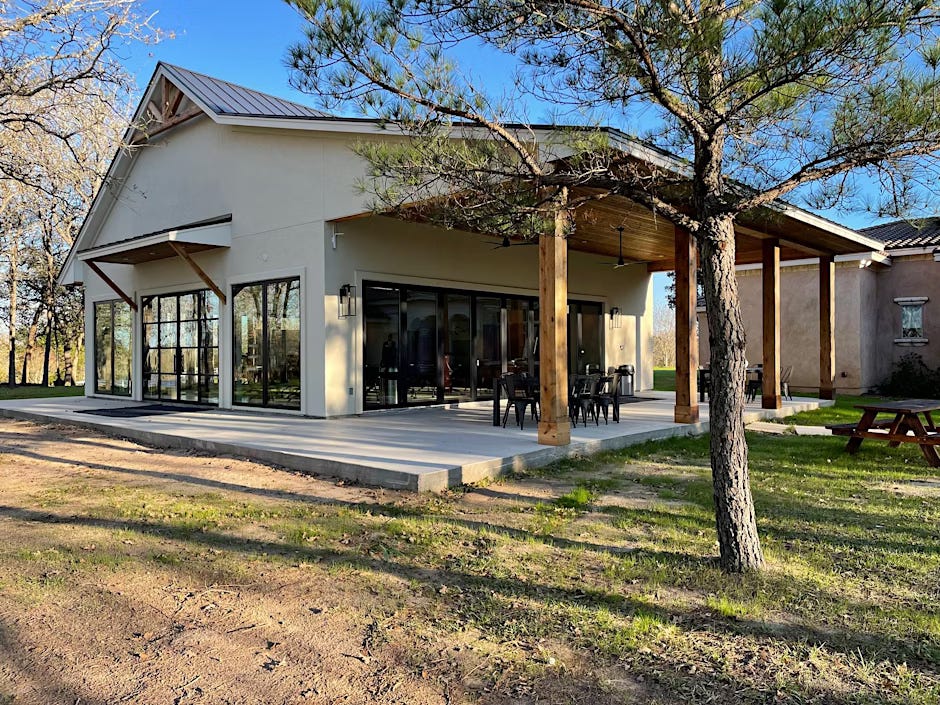
Even with budget constraints, simply finding an unusual space within your building or a nearby park can provide many of these benefits.
Customer and Partner Meetings: The Respect Factor
Meeting customers or partners on their turf represents a powerful relational gesture that communicates respect and genuine interest in understanding their world. When you enter their environment, you gain contextual insights that would otherwise remain invisible.
Visiting a customer's location offers several distinct advantages:
You observe their operations firsthand, revealing pain points your product might address.
You meet additional stakeholders who influence decisions but might not attend external meetings.
You demonstrate commitment through the investment of travel time.
You experience their company culture directly, helping tailor your approach.
This small act of humility can fundamentally shift relationship dynamics, especially in the early stages of collaboration.
The thoughtful manager treats meeting location not as an afterthought but as a strategic choice that influences outcomes. By matching the environment to your specific objectives and the psychological needs of participants, you create conditions where productive conversations, creative thinking, and authentic connections can flourish.
Great insights. Also, if you believe as I do that most meetings involve negotiation of some sort, I recommend Lax and Sibelius’s classics book, 3-D Negotiations. Carefully managing details like place and who attends, and what’s on and off the agenda, have as much impact on the outcome as “table tactics.”