



The EV and clean energy sector is promising as ever, but also very turbulent. It’s no mystery why. Federal EV support took a hit post-2024 election, tariffs are driving up costs, and cash is scarce.
Yet, the five CEOs below who led earnings calls this week are working around these challenges. The long-term outlook for electrification remains strong, even if the road’s a little bumpy.
Beam Global
Earnings call on May 15, 2025
San Diego-based Beam Global makes solar-powered EV chargers and energy storage systems.
Call Takeaways:
CEO Desmond Wheatley said Q1 2025 revenue halved to $6.3 million because “more than half of our revenues” in Q1 2024 came from federal orders, now stalled due to “uncertainty in the U.S. government’s zero-emission vehicle strategy related to the Presidential Election.” He’s countering by boosting commercial clients (53% of revenue, up from 16%) and international markets (25%, up from 11%), with Europe and the Middle East showing promise. The lesson: Government policy shifts can derail revenue, but diversification is a lifeline.
Wheatley is excited about “significant growth in Europe, the Middle East, and Africa,” with products like BeamWell (a water desalination and delivery system) eyed for use in Gaza.
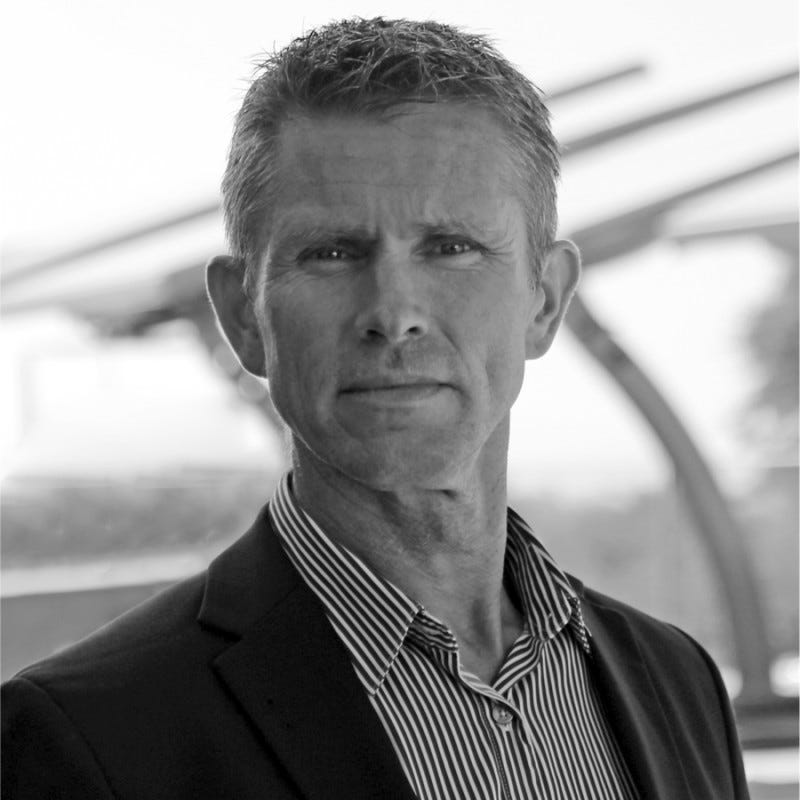
“Losing the immediate benefits of U.S. federal government sales has been tough on us, but we are managing through that and we’ve created a foundation for growth, which is resistant to those sorts of upheavals.”
—Beam Global CEO Desmond Wheatley
ESS Tech
Earnings call on May 15, 2025
ESS Tech (Wilsonville, Oregon) builds long-duration iron flow batteries for utilities and commercial clients, avoiding lithium.
Call Takeaways:
CEO Kelly Goodman notes that domestic manufacturing is shielding ESS from tariffs. She says that “over 98% of the components in our bill of materials [are] sourced domestically,” meaning ESS avoids “over 40% cumulative tariffs on Chinese stationary lithium-ion batteries” that hit competitors. This keeps costs stable and makes ESS eligible for the Section 45X Advanced Manufacturing Production Tax Credit, which supports U.S.-made clean tech, and the proposed Foreign Pollution Fee Act, which would tax high-carbon imports like Chinese battery components, further favoring ESS’s low-carbon, U.S.-made batteries. In the call, this was a bright spot amid low Q1 revenue ($600,000) and tight cash ($12.8 million), signaling ESS’s competitive edge in a tariff-heavy, policy-driven market.
ESS also beat “more than 10 shortlisted competitors” for a 50 MWh Arizona utility project, with potential for a 2 GWh follow-on, showing their “10-plus hours of storage” and competitive pricing resonate in a market craving long-duration storage.
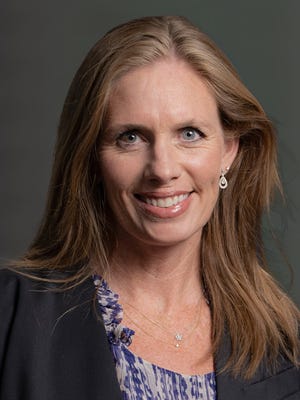
We believe that our ability to deliver 10 plus hours of storage, offer competitive pricing, perform in a wide range of temperatures and bring broad field experience… were important factors in securing this opportunity.”
—ESS Tech CEO Kelly Goodman
Dragonfly Energy
Earnings call on May 15, 2025
Reno, Nevada’s Dragonfly Energy produces lithium-ion batteries for RVs, trucks, and off-grid applications, emphasizing U.S. production.
Call Takeaways:
Like ESS Tech, Dragonfly is working around tariff uncertainty. With final assembly in Nevada and a lithium supply deal with Ioneer, Dragonfly secured “favorable terms with key foreign suppliers” to mitigate tariff impacts, supporting Q1 sales of $13.4 million and a 29.4% gross margin.
CEO Denis Phares (who’s also a battery scientist) noted that fleets are “focused on extending the life of existing trucks and unlocking real-world operational savings today.” They are also driving demand for the Battle Born Dual Flow Power Pack, which cuts idling costs and is “gaining traction” for its affordability.

“With capital expenditures under pressure, the dual flow addresses these challenges head-on by powering hotel loads… allowing fleets to significantly reduce engine idling.”
—Dragonfly CEO Denis Phares
Workhorse Group
Earnings call on May 15, 2025
Workhorse Group (Cincinnati, OH) builds electric delivery trucks (Class 4-6) for last-mile delivery, produced in Indiana.
Call Takeaways:
CEO Rick Dauch highlighted Workhorse Group’s W56 step van’s “96% uptime across diverse routes.” He says the van is earning praise as “the best commercial EV step van on the market” from customers like FedEx, despite sales dropping to $600,000 from $1.3 million.
Facing lean times, Dauch is cutting costs. With cash at $2.6 million, Dauch slashed operating expenses by $9.3 million year-over-year, keeping monthly burn below $3 million while chasing bigger fleet orders.

“While others are still testing products or talking about building future factories, we’re delivering zero-tailpipe-emission trucks that are on the road and on the job.”
—Workhorse CEO Rick Dauch
Xos, Inc.
Earnings call on May 15, 2025
Los Angeles-based Xos, Inc. makes Class 5-8 electric trucks and mobile chargers, with production in Tennessee.
Call Takeaways:
CEO Dakota Semler introduced the MDXT, a medium-duty chassis cab launched at the ACT Expo, targeting a 100,000-unit annual market where “legacy players are pricing their electric chassis cabs over $300,000, which has kept sales volumes low.” In the call, he explained that high prices from competitors and a lack of affordable, reliable EV truck options have left this segment ripe for disruption. The MDXT leverages Xos’s existing step van tech, fitting fleets’ current charging infrastructure and daily duty cycles, which sparked strong interest at the expo. This move is critical as Q1 revenue was $5.9 million (down from $13.2 million in Q1 2024), and Semler sees the MDXT, set for production in Q3 2026, as a way to scale sales in a larger market than their niche step van segment (25,000 units annually).
Semler noted that new tariffs are increasing costs by “anywhere from 10% to 30% depending upon the product,” prompting Xos to raise prices to maintain profitability. In the call, he emphasized a strategic response: Xos has “done a deep dive into every part and commodity that’s impacted” and is planning to reduce exposure through “reshoring or resourcing” over the next few years, leveraging the fact that “the majority of our vehicle value is still sourced and built in the USA.” This is vital as Xos reported a 20.6% GAAP gross margin and aims to sustain positive margins despite tariff pressures, supporting their focus on “growth, liquidity, and margins” in a cash-constrained environment ($4.8 million in cash).

“There’s a real market here… It’s also a market that’s been ignored. Most of the legacy players are pricing their electric chassis cabs over $300,000, which has kept sales volumes low.”
—Dakota Semler
These calls show an EV and clean energy sector under pressure but still with great potential… despite policy obstacles and capital crunches. As Wheatley said, echoing a classic Stoic principle, “We’re paying attention to things that we can impact and not so much things that we can’t.”