


A note before we dive in to today’s post: I’m teaching 3-day CEO Masterclasses this May, August, and November at Texas CEO Ranch outside Austin. Small cohort, full playbook, money-back guarantee after day one.
Email joel@ceosys.co for the brochure.
None of these dates work? Let’s chat about setting up a private training for you and your executive team. We’ll get your executives aligned on concrete priorities so you knock 2026 out of the park.
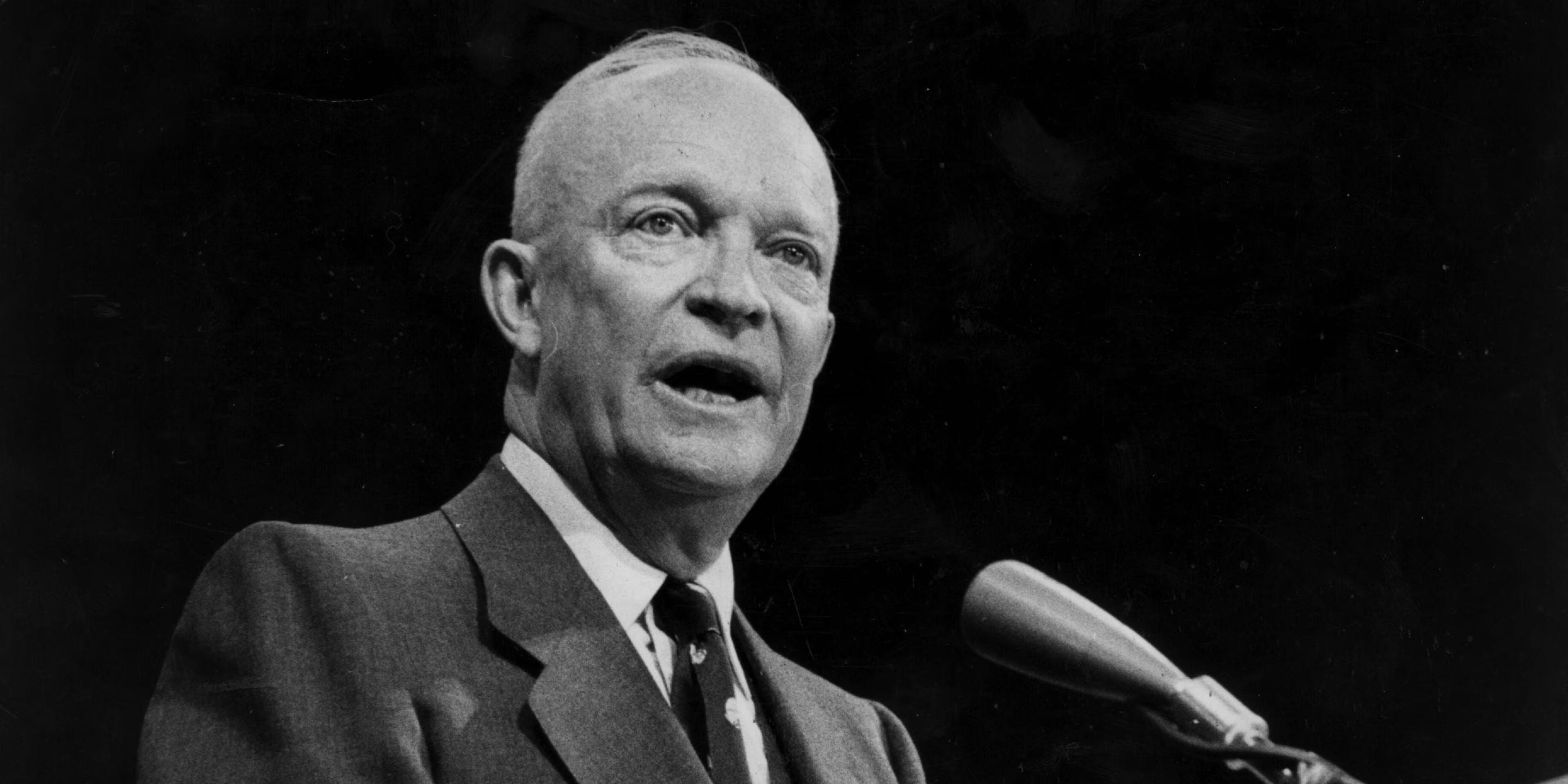
Eisenhower defined leadership better than anyone I’ve encountered:
“Leadership is the art of getting someone else to do something you want done because he wants to do it.”
Everyone experiences leadership in their daily lives, as they are influenced and as they influence others. It happens with family, friends, coworkers, and it doesn’t require any official positional authority. Even children try their hand at leadership, trying to influence their parents to give them the latest toy or their favorite food.
Because leadership is so universal, we all have an intuitive sense of why we follow certain people. For CEOs, I’ve built my thinking around what I call the 3C model: leadership happens when people perceive you as credible, competent, and caring.
This model works for any size organization, but how you exhibit each of these qualities changes dramatically depending on the size of the group you’re leading. It looks very different in a team of five than it does in an enterprise of 5,000.
The Small Group Advantage
When you’re leading fewer than ten people, you have something precious: frequency. You interact with everyone constantly, and that volume of contact gives people a rich, forgiving picture of who you are. They observe your credibility through many conversations, judge your competence through your decisions, and measure your caring through your daily interactions.
The result is that when you make a mistake, people see it as an anomaly, not as evidence that they shouldn’t follow you. Think about your closest working relationship. If that person did something stupid, would they immediately lose influence with you, or would you chalk it up to everyone having a bad day now and then?
Probably the latter. This gives the leader of small teams a huge advantage. People know you, and they tend to be charitable about your missteps.
The Dunbar Problem
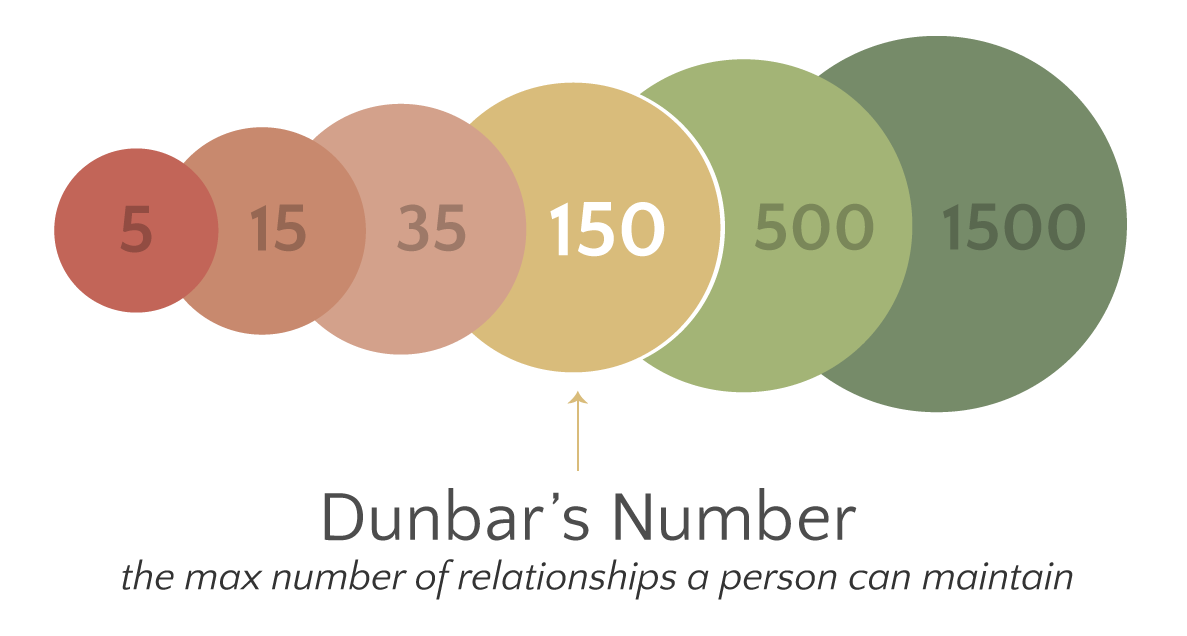
Everything changes as the organization grows.
In the early 1990s, British anthropologist Robin Dunbar discovered something fascinating: by correlating primate brain size with social group size, he calculated a cognitive limit to the number of stable relationships any human can maintain — roughly 150. This is known widely as Dunbar’s number. He described these people informally as “people you would not feel embarrassed about joining uninvited for a drink if you happened to bump into them at a bar.”
Since many of those 150 people won’t be employees, I’ve always felt the real inflection point for organizations hits around 100. That’s when you enter leadership at scale, and the rules change fundamentally.
What Changes, and Why It Matters
At scale, the leader can no longer count on close personal relationships as your source of influence. As the organization grows, you’ll only have contact with some individuals a few times a year. In a large company, most employees can count on one hand the number of meaningful interactions they’ve had with the CEO.
And instead of getting their information about you through direct contact, they’re getting a lot of it from other people’s interactions with you.
Here’s an example. Say you’re not a morning person and don’t like visiting with anyone before your first cup of coffee. When you lead a group of ten, everyone knows that about you and chalks it up to a quirk. But when you lead 500, and you pass a young employee at the door one morning — someone excited to see the CEO — and you’re gruff or short and scamper off down the hall, that employee feels like you don’t care. And they’ll probably tell every coworker. Suddenly many people are convinced the CEO doesn’t care about lower-level employees, all because you aren’t a morning person.
I talk about the value of being authentic. But as that story illustrates, when you’re leading at scale, you must always be your best version authentic. You can’t write off your quirks as something people will just automatically understand. You must understand how you are coming across and communicate/act wisely, with your complex, multifaceted audience in mind.
Here are some quick strategies, written with the CEO in mind, for leading at scale:
1. Know thyself. Use tools like DISC to understand your natural style, and get 360-degree feedback from people at multiple levels of the organization so you’re seeing yourself the way others actually see you. (You can use our free assessment here.)
2. Write a User Manual. You can’t have a personal relationship with everyone, but you can give everyone a direct window into who you are as a leader. A User Manual is a short document that tells people how you like to communicate, what you value, what frustrates you, and how to work with you effectively so employees don’t have to guess or learn the hard way. (The DISC assessment linked above allows you to add your User Manual content to the generated report.)
3. Build a consistent management system. Your influence flows downward through other leaders, which means your managers need to be deeply aligned on your vision, priorities, and messaging. A shared operating system with common tools, regular cadences, and consistent language ensures that what you stand for doesn’t get lost or distorted as it moves through the organization.
4. Be deliberate about storytelling. At scale, people form opinions of you through stories, so be intentional about which ones circulate. When you make a decision that reflects your values, communicate it explicitly and let others share it. The stories that spread will define you whether you curate them or not. Here is my favorite book on that topic.
5. Protect your high-visibility moments. When you do have direct contact with employees in town halls, hallway conversations, or company emails, treat those interactions as disproportionately important, because they are. These are the data points people will carry for years and pass along to others.
If you have moved from leading a small team to a large one, I’d love to hear what had to change and what strategies worked for you!
—Joel
This is such a good breakdown of why scale changes everything. The Dunbar number explains it well. Once you cross that threshold, you can't lead through relationships alone anymore. Your behaviors have to carry the message when you're not in the room.
That's really the heart of The Ready Set's Values-Based Integrity and Authenticity behavior. It's not just about being real when it's convenient, it's about being consistent enough that your reputation leads before you do. At scale, people are forming opinions based on secondhand experiences, which means your behavioral patterns matter more than any single interaction.
The "User Manual" idea is essentially a Clarity Establishment tool. Removing ambiguity about who you are so people aren't left guessing or misreading a bad morning as a character flaw.
Good stuff here. The leaders who figure this out early will save themselves (and their teams) a lot of unnecessary friction.