
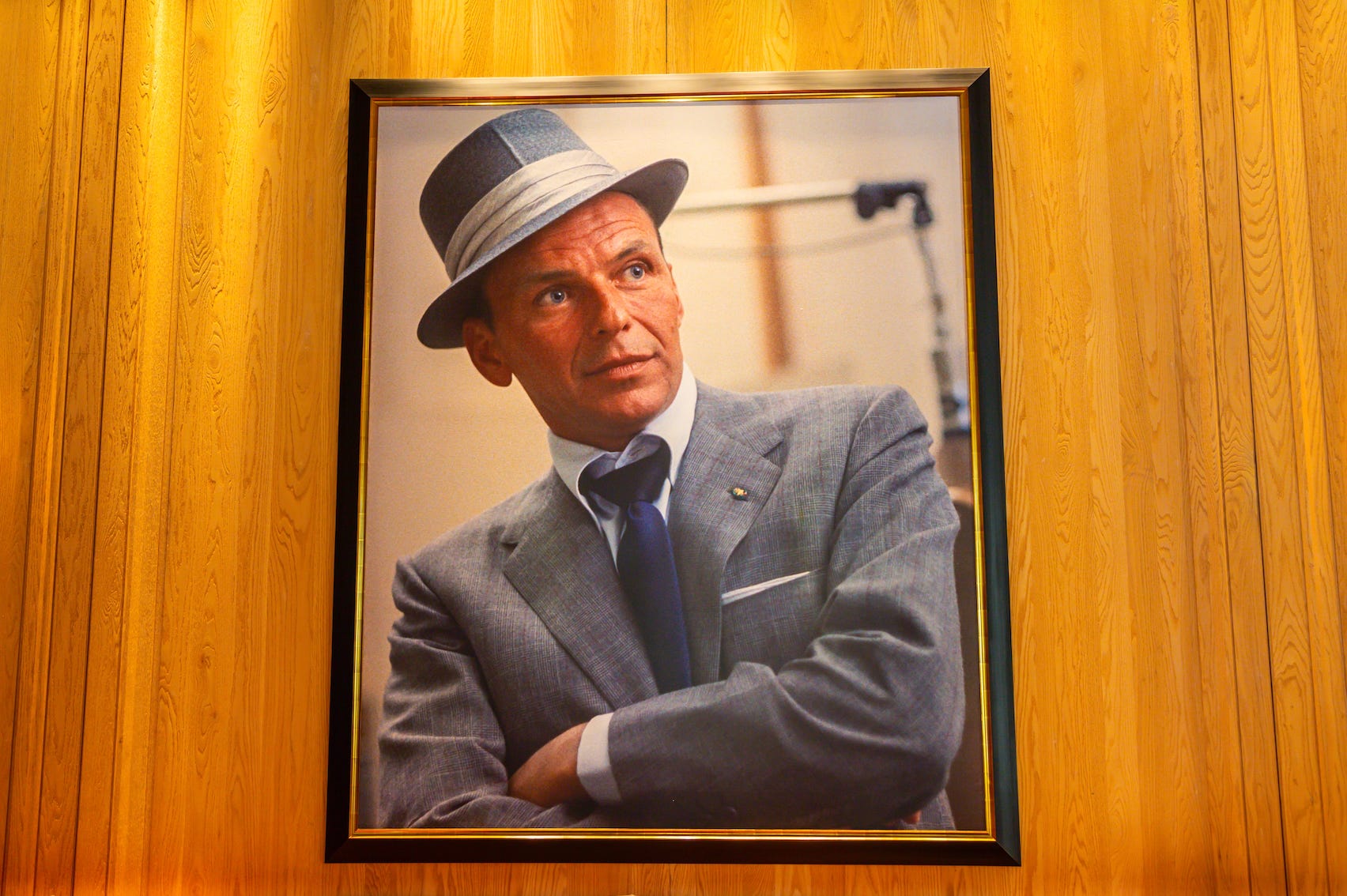
I Did It My Way... and Got Fired
The trait that made you CEO is the trait most likely to get you fired as CEO
I talk to a lot of CEOs. Ask a hundred CEOs what got them to the top, and you will hear a hundred different stories.
But one trait does show up again and again: an unshakeable belief in their own judgment.
Call it confidence, ego, self-reliance, or even vision, but it’s the single most common characteristic in people who reach the CEO seat. Every time I teach a CEO Masterclass, I chuckle when we place them on the DISC Wheel, because they’re all clustered in the D quadrant. That’s D for Dominance, and despite the fact that D-type people make up only around 9% of the population, they make up somewhere north of 70% of CEOs in my experience. That relates closely to the classic self-assurance of the CEO.
Being confident is essential. You can’t lead an organization through hard decisions and cut through all the ambiguity a CEO deals with unless you have a baseline trust in your own instincts.
But that confidence can also be the most dangerous trait a CEO can have.
The problem is when self-confidence balloons into overconfidence. It’s at this point that the CEO’s inner voice starts saying things like: I know best. I’ll figure it out myself. I’ll do it my way.
That instinct, left unchecked, is how smart executives fail as CEO.
“CEO” Is a Different Kind of Job
Confidence is usually part of what gets a leader to the CEO role in the first place, so why would they start tempering it once they get there? Well, the misunderstanding here is a common one, but the CEO job isn’t a senior version of the functional executive you were before.
If you rose through sales, you’re used to having a playbook and a clear scoreboard. If you came up through finance or operations or engineering, you have deep expertise in that defined domain. You know how to solve the problems in your lane because you’ve spent years developing pattern recognition in that lane.
The CEO job throws all of that out. Suddenly you’re responsible for setting the direction of the entire enterprise. You need to allocate resources across competing priorities, manage a board with its own agenda, and build a leadership team who are experts in their domains—and know more than you do about them.
In other words, you’re no longer the expert.
You can’t know everything.
You need to make decisions that affect departments you’ve never run.
There’s no “right” answer. There are only tradeoffs.
The very trait that helped you rise to CEO—the unshakeable commitment to your own instincts—becomes an obstacle to getting the outside perspective you now genuinely need.
It’s in this ecosystem that confidence becomes the very thing that gets CEOs fired. And it happens fast. Most CEOs have a window of roughly 12 to 18 months to demonstrate momentum before the board, investors, or the market starts losing confidence. The feedback loop isn’t tight though. It’s hard to know if you’re doing the right things.
Building Real Confidence as CEO
What’s a CEO to do?
First, recognize the positive side of your confidence. I’m not suggesting you second-guess every one of your actions, or run around trying to get your team to rubber-stamp your decisions.
Instead, work on asking yourself regularly: What don’t I know?
Don’t be afraid to ask for help or to say “I don’t know.” Give up the idea, likely held over from previous roles you held, that you must be the source of all insight for your team. Now, as CEO, you’re the one who should be receiving the insights from your team.
Ask people to play devil’s advocate. Cherish the employees who will disagree with you. Be curious.
Be continuously aware that you’re now leading an organization in which many things happen that won’t be an expert in. Pair your vibrant self-reliance and clarity with enough humility to know you have a lot to learn.
The temptation will always be there to do listen to yourself instead of your team. Remember, though:
“My Way”? Great song, terrible way to lead a company.
You don’t have to work on addressing your blind spots alone. We built ChatCEO around a proven methodology for the CEO job. You’ll gain a structured way to think about your stakeholders, manage trade-offs, leverage the expertise on your team, and make better decisions under uncertainty. If you lead a company of more than 50 employees, sign up to be a Founding CEO today — you’ll get ChatCEO free for one year.


