


People are weird.
That’s one of the main lessons I’ve learned in decades of management and leadership. Is it a revolutionary insight? Maybe not. But it has fundamentally changed how I work with employees, especially my direct reports.
What do I mean by “weird”? I mean that everyone is extreme in at least one or two dimensions of their personality. We’re all in the 90th percentile in some aspect of the way we behave and think.
Because people have these variations, you have to figure out exactly what flavor of weird they are. If you want to help them succeed at work long-term, you need to understand all their quirks and peculiarities. Deploying the same approach on everyone just isn’t going to work. It’s like trying to eat cereal with a fork. You can try it, but switching to a different tool gets you a lot better results.
The maxim I share in CEO training is this:
Each employee is a unique collection of behaviors, preferences, and strengths. Only by understanding this mix for each person can you effectively manage, lead, and coach them.
In this post, I want to share some of the top things I’ve found useful to learn about the people I manage. Think of each of these as one piece of the puzzle that makes up the human being you have been tasked with managing. As you put each piece in place, you get a fuller and fuller representation of that weird person in front of you.
DISC Type
I’ve used a lot of personality assessments but I find DISC most useful in the workplace. Understanding which of the four types you are (Dominance, Influence, Steadiness, or Conscientiousness) and how that interacts with the DISC type of your employee can open up a world of understanding. As a hardcore D type, it’s taken a lot of practice for me to effectively manage the expressive I’s, the risk-averse S’s, and the nitpicky C’s. But I now understand those orientations and see the great value each of them can bring. I’m also on the lookout for the classic clashes and misalignments between types on my team.
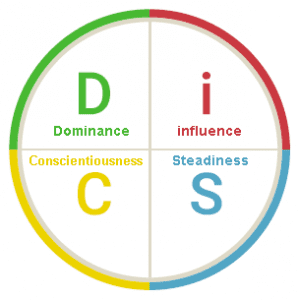
You can get your own DISC type here and grab my cheat sheet for CEOs on each type here.
Top 5 CliftonStrengths
The CliftonStrengths assessment a great complement to DISC. Knowing your employee’s top 5 strengths gives you a great starting point for knowing what kind of tasks they will excel at and what kind of coaching they probably need. CliftonStrengths is especially powerful thanks to its focus on maximizing what employees are already good at (vs. trying to “fix” their weaknesses).
Get the assessment here.
Work Orientation
Psychologists, including notably Amy Wrzesniewski, have found that people generally sort into three categories of orientation toward work, with about even numbers in each. These categories are:
Job. They see work as a means to an end. Jobs are what people do to earn a living and keep themselves occupied.
Career. They see work as a means of development and growth over the person’s lifetime.
Calling. They see work as a primary source of meaning in their life and want their work to make a difference in the world.
There are obvious implications for how you collaborate with the employee as their manager based on work orientation. If Jim has a Job work orientation, trying to force him into complicated career planning conversations may not be the best tactic. But if Jill has a Career orientation and you don’t have these conversations with her, she’ll be frustrated. Ultimately, of course, your goal as a manager should be to have lots of people working for you who do see their role as a Career or a Calling, not just a Job.
Self-Articulated Quirks
I like to ask employees point-blank what makes them weird, too. Many of us don’t have great self-awareness, but most of us can articulate some of the key facets of our personality that make us different from each other. Having employees write a User Manual is a great exercise for this. The User Manual is a place to capture things like:
What are the most extreme elements of your personality?
What is most unusual about you in the workplace?
What unique preferences and expectations do you have around work?
You can use a tool I created, MyUserManual, to have people create these. Be sure to ask them to focus on the questions toward the end.
Life Story
This sounds a little grand, but I just mean a general understanding of their personal background. Some employees may be less keen to share this, which should be respected, but I find it fascinating to understand the forces that shaped a person’s approach to life and work. Were they raised as a Mennonite? Were they an only child who always wanted siblings? Do they find meaning in their oil painting hobby? These things can seem unrelated to work, but they do help shade in your picture of the person you’re managing—and they can crop up in unexpected ways.
What They Want to Be When They Grow Up
I ask employees this all the time, whether they’re 25 or 65. I find it short-circuits people’s resistance around “career paths” or “development goals” and gets them thinking aspirationally about what they want from life. It’s great information for you to know as a manager as you help the employee architect a role and goals that align their interests with the company’s. If you can do this well, the employee will be naturally engaged with work and happy to give their best effort.
What did I miss? Tell me what you like to know about your employees, especially the stuff that’s useful in customizing your management approach.
Love this Joel! I’m all for using these inventories to better understand people, but it bothers me when organizations or interviewers use them to exclude candidates. Reducing someone to a personality type and making hiring decisions based on that alone is shortsighted. It assumes that certain traits automatically make someone a bad fit, when in reality, great hires can come in all different forms.
This is "wow," Joel. Great piece and insights.