


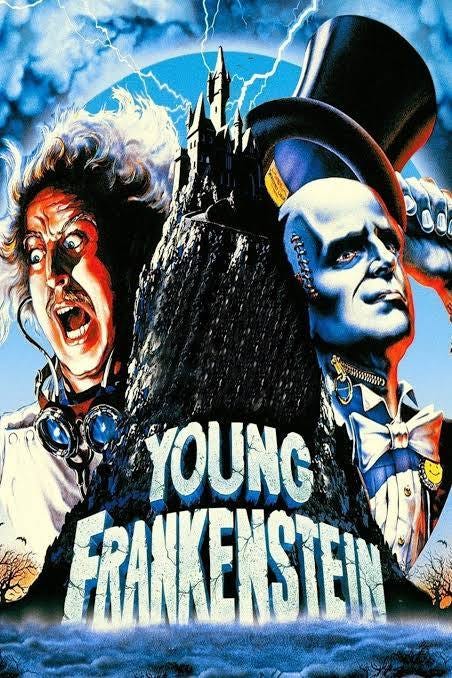
While reasonable people may disagree, I’m pretty sure that Young Frankenstein is Mel Brooks’ masterpiece. In case you missed it (if so, you can fix that), the spoof of the Frankenstein legend involves Frederick Frankenstein, played brilliantly by Gene Wilder, and his attempt to repeat the re-animation experiments initiated by his late father. In the film’s most dramatic scene, Dr. Frankenstein is ready to pull the switch and rouse his monster, and he yells to the heavens, “Life! Do you hear me? Give my creation life!”
If you are like many business leaders, your team’s status report process could use a visit from the good doctor—and a little life.
Assess the Patient – Is Your Status Report Dead?
Start by determining whether your status report process is dead and in need of revivification. Here are a few ways to tell:
Employees hate preparing status reports.
They get sent via email with no associated business process.
They’re done religiously for a while, then taper off.
They result in no action.
Every department does them differently (maybe some don’t do them at all).
You know you need a status report process, but aren’t sure why.
Yep. It’s a Goner. What Now?
If more than a couple of the above sounded familiar, you’ve got a dead monster on your hands. Luckily, all is not lost. Like Dr. Frankenstein, you can give your status report process new life, and you don’t even need a hunchbacked assistant. All you need is a new approach.
Your team’s status reports need a purpose in life. There are two main ways to begin the re-animation process:
Make sure status updates are about goals that actually matter. When employees do a status update for their manager, they should be conveying information about goals that directly support company objectives. If the employee can’t explain how the goal in question makes a difference in the organization, why are they working on it? Tie status updates to the mission and watch these reports come alive.
Status updates should be about the future. The most critical question status updates should answer is not “How far along are you?” or “How did things go so far?” Rather, it is: “How likely is this goal to be completed on time?” Don’t deaden status updates by making them about the employee accounting for what they’ve done so far. Instead, breathe life into the process by asking them to predict outcomes. This makes the employee feel valued and smart—as they should! Switching to a focus on what lies ahead will help you anticipate developing problems and adjust your plan as needed.
Oh Yeah, about the Brain
Dr. Frankenstein runs into a little trouble with his monster’s brain. If you think about the platform you use for your status report process as the brain, choosing the right one is critical. Anything that is one-way—like emailing Word docs—will probably not sustain life. You want something that creates a feedback loop and provides visibility across the organization. When the entire team can see predictions about key goals, they can more easily collaborate together to remove obstacles before progress comes to a halt. (If you want one such tool, feel free to DM me and I’ll set you up with a demo of the one I created.)
If your status report process is on life support, pull out the paddles and give it a jump start. Make sure your process has a purpose, helps you predict success, and is supported by an interactive platform that invites collaboration. Because, as Dr. Frankenstein replied when asked by Igor if he was sure he wanted to go through with this, “It’s the only thing that can save him now.”