


In a previous post, I explored the Cult Leader CEO, who treats the company’s mission, vision, and values as unchangeable gospel. Those who dissent are shunned, maybe even cast out of the organization.

Today, I want to examine the opposite extreme: the Mr. Mayhem CEO.
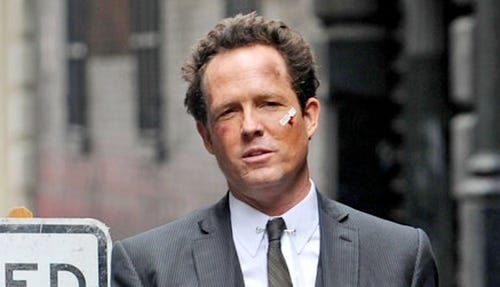
If you remember those insurance commercials from the 2010s (they're getting a bit dated now), Dean Winters played the character “Mayhem,” a force that could turn any ordinary situation into a disaster. The ads were designed to convince people they needed insurance protection.
Unfortunately, if you work for Mr. Mayhem, there's no insurance policy that can protect you from the chaos they cause through their antics.
The Constant Pivot Problem
Mr. Mayhem is a failure mode because these CEOs inject new projects and redirect resources constantly, creating an environment of constant chaos.
Mr. Mayhem CEOs are high-energy individuals who have often been successful in their career because of their willingness to change rapidly and take on new initiatives. While this skill can be valuable in certain types of employees, when deployed at the management level it leads to a lack of focus and to high stress among most employees.
The fundamental issue is that CEOs with this characteristic drive exceptional employees crazy with their “idea of the day” approach. Most people aren't fond of change and won't be able to adapt to a new direction every day or even every week or month.
Some CEOs cause this chaos without even realizing it by merely thinking out loud and having their thoughts translated into action by eager-to-please employees. CEOs must be careful to distinguish between directions and musings.
The Hidden Cost of Hyperactivity
While the Cult Leader CEO fails because they refuse to adapt, the Mr. Mayhem CEO fails because they adapt too frequently and without strategic thinking.
Both extremes miss the mark on one of the fundamental challenges of CEO leadership: communicating a vision and path for the company while being flexible enough to change rapidly if business conditions truly require it.
The damage from constant course corrections compounds over time. Teams lose confidence in long-term planning. Resources get scattered across too many initiatives. Employees begin to ignore new directives, assuming they'll change again soon.
The organization develops a kind of strategic paralysis: not because they can't change, but because they're exhausted from changing too often.
Mr. Mayhem CEO Profile
Work style: High-energy and impulsive. Believes agility and responsiveness are the highest leadership virtues. Generates new ideas constantly and expects immediate implementation.
Preferred time scale: Immediate to short-term. Strategic consistency is seen as inflexibility or lack of innovation. The latest idea always feels most urgent.
Background: Often a successful entrepreneur or turnaround specialist. May have built their reputation on rapid pivots and breakthrough thinking in fast-moving environments.
DISC type: High D (dominant) and I (influence). Thrives on variety and stimulation, with strong confidence in their ability to spot new opportunities.
How employees see them: Initially exciting and dynamic. Over time, teams become anxious and cynical. High performers often leave for more stable environments where they can see projects through to completion.
Evil Twin: The Cult Leader CEO, who provides unwavering vision but refuses to adapt when circumstances genuinely demand change.
If You Think You're a Mr. Mayhem CEO...
Here's what to consider:
Distinguish between thoughts and decisions. Create clear protocols for when you're brainstorming versus when you're issuing directives. Put it in your User Manual that you tend to throw out a lot of ideas and don’t necessarily expect the whole team to jump on them immediately.
Measure the cost of change. Every pivot has hidden costs: lost momentum, confused messaging, resource waste, and team morale. Before changing direction, explicitly calculate what you're giving up, not just what you might gain.
Create change budgets. Just as you budget financial resources, budget organizational change capacity. Most teams can handle one or two major shifts per quarter, but not per week.
Build decision filters. Establish criteria for what constitutes a change worth making. Is this a response to new market data? A competitive threat? Or just an interesting idea that caught your attention?
Communicate the “why” behind stability. When you do stick with a plan, explicitly explain why you're maintaining course despite new information or opportunities. This helps teams understand that consistency is a choice, not indecision.
Finding the Balance
The most effective CEOs learn to thread the needle between the Cult Leader's inflexibility and Mr. Mayhem's chaos.
They maintain a core strategic direction while remaining genuinely responsive to changing conditions. They think out loud without causing organizational whiplash. They embrace new opportunities without abandoning everything they've built.
The best insurance against business disruption isn't about constant motion, like Mr. Mayhem is addicted to.
It is, instead, about thoughtful, purposeful adaptation when it truly matters.