


Ever heard a CEO say they “hire slow and fire fast”?
That approach has merit, and I generally agree with Greg McKeown’s popular HBR article on the phrase. But I also think that giving yourself a pass to “hire slow” can work against your company.
For example, I recently heard an executive say they couldn’t meet with a job candidate because they were too busy this week. That kind of statement sets off alarm bells for me. I cannot think of many things in a leader’s day that should take precedence over making timely offers to great candidates. This was not the judicious, thoughtful hiring McKeown argues for. It was simple de-prioritization of the leader's responsibility to recruit and hire.
Consider the fallout when you let yourself “hire slow”:
Missed talent opportunities. Top talent does not stay available for long. To get the people your competitors are vying for, you need to strike while the iron is hot. If an A-player with another offer is waiting weeks to hear back from you, you’re probably going to lose them. You may think you’re “too busy” to sit down with the candidate, but they want to get their next opportunity locked down, even if it’s elsewhere. Consider too that people talk. If you make strong candidates wait forever for the next step in the hiring process, they are likely to share that information, harming your company’s reputation as an employer.
Increased workload and stress. If a necessary role sits empty for an extended period, someone is feeling it. It’s likely the employees who are taking on extra responsibilities, and it might also be customers or clients who are not receiving the level of service they expect.
Decision paralysis. When companies overanalyze each candidate, they may fall into decision paralysis—where the desire for the perfect hire results in no hire at all. While being selective is important, perfectionism can prevent a business from making necessary progress. This is particularly limiting if you’re trying to grow and scale a company.
If you’re a devotee of the “hire slow, fire fast” mantra, I encourage you to consider whether a deliberate pace is hurting your ability to hire the best. It is possible to hire fast and well, but it requires making up the difference with focused effort. Yes, that might mean rearranging your schedule to interview candidates for critical positions. As I said above, it’s worth your time.
The good news is that a continuous recruiting process, in which you consistently scout for talent on and off the market, makes good, speedy hiring possible. Aim to be like a wise farmer, whose regular planting ensures the produce is ready when needed. Otherwise, you’ll find yourself scrambling to start the planting process when your need arises—with your organization going hungry in the meantime.
"Hire thoroughly but fast" ruins the catchiness of the classic mantra, but it's a much better representation of the ideal leaders should aim for.
The Rundown
California Regulators Go Knives-Out for Musk
As he promised on X, Elon Musk filed a lawsuit against the California Coastal Commission this week. The Commission had recently declined to approve a slate of new SpaceX launches from Vandenberg Space Force Base in Santa Barbara County.
At issue in the lawsuit is the Commission’s citation of Musk’s political views in the denial. While the Commission did raise concerns about the launches’ potential negative effects on citizens and wildlife, at least one commissioner got personal. Arguing to bar the launches, Gretchen Newsome (no relation) said that “Elon Musk is hopping about the country, spewing and tweeting political falsehoods and attacking FEMA while claiming his desire to help the hurricane victims with free Starlink access to the internet.” The commission’s chairwoman seemed to agree that Newsome’s bringing in of politics was appropriate, because the question is “a political matter to some extent.”
As it now stands, SpaceX will not be permitted the additional 14 launches it sought.
What it means for you:
Where you do business has always mattered, but it’s becoming even more important. As regulatory activism at the state level increases, CEOs should be aware of potential effects on the business. See also Delaware’s blocking of Musk’s pay package earlier this year.
Stay out of politics. Regardless of what you think of the Commission’s decision, it may have been different had Musk not inserted himself repeatedly in national politics. We’ve all seen the trend for CEOs to jump into the political fray (typically on the left-liberal side), but in a great many cases, these stances come back to bite. As CEO, you represent the interests of all your employees, all your customers, and all your shareholders. Focus squarely on what creates the most value for them, remembering that they don’t all think like you politically.

China Ramps Up on Renewables
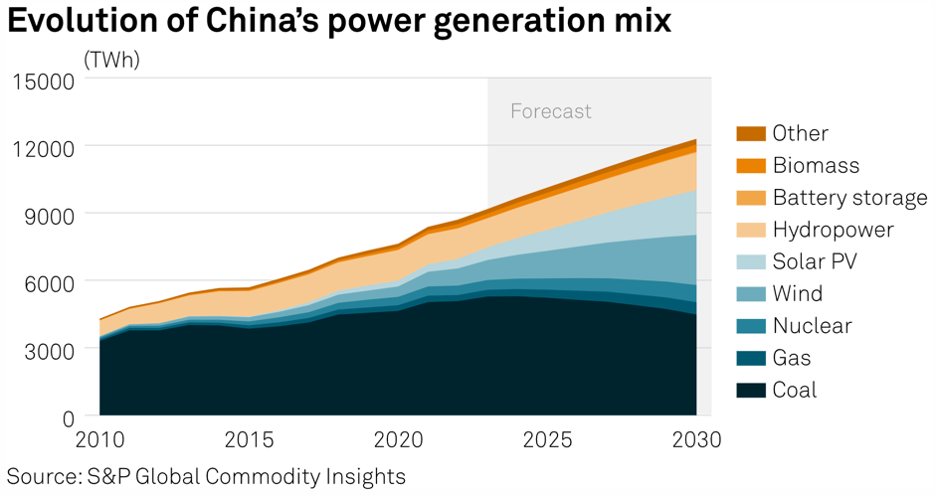
Should the US be worried about China’s latest energy play? From MarketWatch:
“While low energy prices have long been hailed as a boon for economic growth, they undermine America’s future competitiveness, particularly in the face of China’s rapid rise. If the US doesn’t swiftly invest in renewable energy and other promising energy-related technologies, its economic leadership could be challenged by a rival now strategically positioning itself through long-term energy investments”.
China is sprinting toward a renewable future. Through aggressive investments in solar power, wind energy and electric vehicles, China is positioning itself as the global leader in tomorrow’s technologies, outpacing the U.S. This investment isn’t merely about clean energy; it’s about securing economic dominance.
I’d note that when most of us in the US think “clean energy” or “renewable energy,” we don’t consider nuclear, which is where China is making up a lot of its progress (though burning coal does still account for half their output). If we want to keep pace, it’s not going to be just from solar panels or windmills.
What it means for you:
Consider energy availability when (re)locating your business. Here in Texas, for example, we’ve got some big issues with our power grid if we don’t move quickly. If your business ends up without power, it doesn’t matter what China is doing—you might as well be in a third-world country.
Funds Dry Up for Businesses Affected by Helene
This week the US Small Business Administration said its coffers are empty in the aftermath of Hurricane Helene, stating that “until Congress appropriates additional funds, the SBA is pausing new loan offers for its direct, low-interest, long-term loans to disaster survivors.”
President Biden wants lawmakers to come back ahead of their scheduled return next month. I wouldn’t advise business owners to hold their breath for that.
What it means for you:
Never count on programs like the SBA to support your business. These programs, like a lot the government does, are dodgy. Certainly take advantage of them when they are available, but do not make them a fundamental part of your business plan.


“To be truly ignorant, be content with your own knowledge.” ―Zhuangzi
“As a coach, I was often in the position of giving people feedback that they hadn’t heard before, after interviewing a bunch of people they work with. . . . At a human level, it’s difficult to tell somebody something that isn’t working about them. But I came to find that people are incredibly grateful. If I’m not doing well and I don’t know it or I don’t know why or I can’t put my finger on what’s not working and no one will tell me, then I don’t know how to fix it. And if you give me the information, the moment that the information is being transferred is painful, but then I have the opportunity to change it. I’ve come to realize one of the most valuable things I could do for somebody is tell them exactly what nobody else had told them before.” —Karen May, former VP of People Development, Google
"The real art of communication is in understanding what message is received by the listener rather than what is transmitted by the speaker. Many CEOs make the mistake of believing that just because they said something or sent out a signal, they communicated. Rarely do leaders check what was received by the listener, but this simple discipline of checking what was received, when applied appropriately, can transform the quality of communication." —Alan Watkins, Founder & CEO, Complete